The Real Danger of Illegal Septic Fixes
What Some Homeowners Do to Avoid Replacing a Septic System: Why It’s Illegal, Risky, and Not Worth It
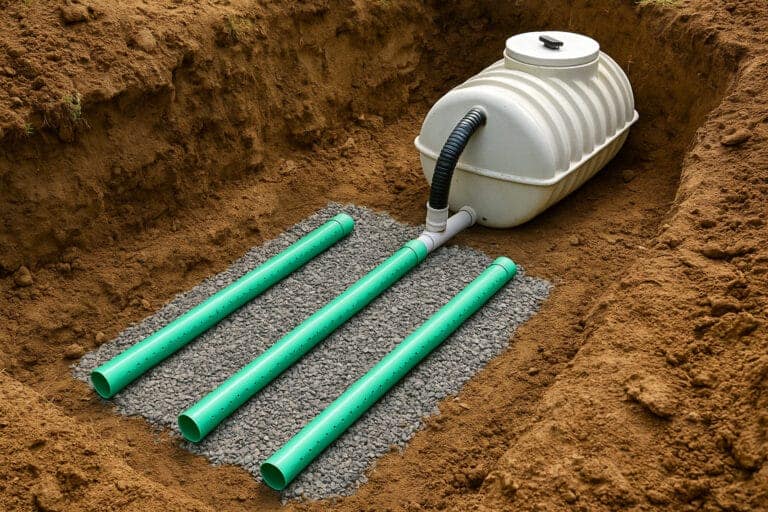
Information only — not legal advice. Always confirm with your local municipality and a certified septic professional.
A failing septic system isn’t cheap to fix — everyone knows that. In Québec and Ontario, a full replacement can cost $18,000 to $35,000+ depending on the soil, permit requirements, and type of system. A conventional septic system, which is the standard type most homeowners have, can be especially costly to replace. Maintenance costs are also an ongoing consideration, separate from replacement expenses.
Because of the cost, some homeowners try “workarounds” to avoid replacing their system. Let’s be blunt: most of these tricks are illegal, dangerous, and guaranteed to backfire. Some may look into alternative septic systems or an alternative system designed for challenging sites, but these require proper permits and must be properly designed to meet local standards.
Below are the most common tactics homeowners try — and why you should stay far away from them. Alternative systems also exist for properties with unsuitable soil or environmental restrictions, but they come with their own installation and maintenance requirements.
Signs of a Failing Septic System
A failing septic system can quickly turn into a major headache for homeowners, leading to expensive repairs, groundwater contamination, and even health hazards for your family and neighbors. Spotting the early warning signs of a failing septic system is the best way to prevent system failure and ensure your septic tank and drain field continue to provide successful wastewater treatment.
Here are some of the most common signs that your septic system may be in trouble:
Pooling water or muddy soil around the septic tank or drain field, even during dry weather, can indicate that partially treated wastewater is surfacing instead of being absorbed.
Sewage backups in plumbing fixtures or unpleasant sewage odors inside your home are clear red flags that your system isn’t functioning properly.
Bright green grass or lush strips over the drain field may look appealing, but they often signal that untreated or partially treated wastewater is leaking to the surface.
Slow drains or gurgling sounds from sinks, toilets, or showers can point to blockages or hydraulic overloading in your septic system pipes.
Standing water or spongy soil near the septic tank or drain field is a sign of poor maintenance or a malfunctioning system.
Presence of coliform bacteria or other harmful pathogens in nearby drinking water or surface waters can indicate septic system failure and groundwater contamination.
Tree roots invading septic system pipes or the septic tank can cause serious damage and lead to system malfunctions.
Increased water usage or sudden spikes in household water consumption can overload a typical septic system, leading to system failure.
Routine maintenance practices, such as regular septic tank pumping and inspections, are essential to keep your entire system healthy and functioning properly. Poor maintenance, hydraulic overloading, and the use of harsh household cleaners can all contribute to a failing septic system and costly repairs down the road.
To keep your septic system healthy and avoid expensive repairs, follow these best practices:
Only flush septic-safe, biodegradable items—never paper towels, baby wipes, dental floss, or cigarette butts.
Avoid pouring coffee grounds, kitty litter, baking soda, or other harmful substances down the drain.
Use septic-safe cleaning products and avoid harsh chemicals that can disrupt the natural bacteria needed for the treatment process.
Direct roof drains and surface waters away from the septic tank and drain field to prevent hydraulic overloading.
Never park vehicles or allow heavy equipment over the septic tank or drain field, as this can cause soil compaction and serious damage.
If you notice any of these warning signs, don’t wait—contact your local health department or a certified septic system professional for a thorough inspection. Taking prompt action and practicing regular maintenance can help you avoid system failure, protect your property, and ensure your septic system continues to treat wastewater safely and effectively for years to come. A well-maintained septic system is the best method for safeguarding your investment, your health, and the environment.
1. Repeated Septic Tank Pumping to Hide a Problem
Some people try to avoid addressing the real issue by resorting to frequent pumping or even more frequent pumping of their septic tanks, sometimes every few weeks or months, just to keep sewage from backing up.
While regular pumping is a normal part of septic system maintenance and is necessary every few years to remove the sludge layer and solid waste that accumulate in septic tanks, needing your tank pumped more often is a sign of a deeper problem. If your tank pumped schedule becomes more frequent, it indicates system failure rather than proper maintenance.
Why it’s illegal and useless
Pumping doesn’t fix a failed system — it only delays the inevitable.
Inspectors can see right away that the system isn’t functioning.
Municipalities consider this a temporary emergency solution, not a repair.
If you’re selling, hiding this is misrepresentation and can lead to lawsuits.
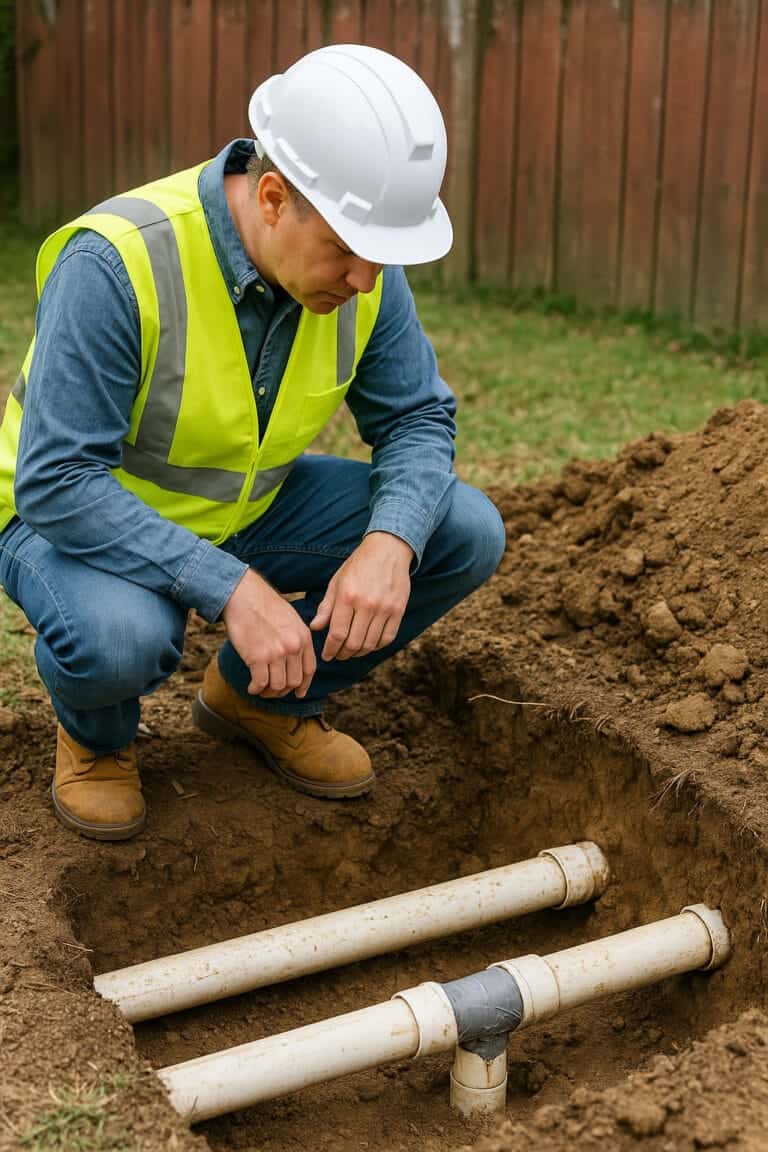
2. Installing “Homemade” Drainage Pipes (French Drains) Into the Woods
This is a classic illegal trick: running a PVC pipe into the forest, ditch, drainage line, or neighbour’s land. Unlike these makeshift solutions, a proper leach field is designed to prevent clogging and safely treat organic waste, ensuring wastewater is processed correctly and does not harm the environment.
Why it’s illegal and dangerous
You’re dumping raw sewage. That’s an environmental offence in Québec and Ontario.
Penalties can be very high — $5,000 to $50,000+.
Inspectors find this instantly.
If discovered during a sale:
Buyer can sue for latent defects
Notary may refuse to close
City can force immediate replacement
3. Connecting the House to a Ditch, Creek, or Lake
Some rural owners secretly discharge grey water or sewage into a nearby ditch or stream. This practice bypasses the further treatment that soil provides in a proper septic system, allowing harmful bacteria from new wastewater to enter the environment.
Why it’s illegal and serious
It contaminates groundwater and wells.
Watercourses are protected — the fines are huge.
Municipalities can order an emergency shutdown of the property’s plumbing.
It’s a major red flag during a municipal inspection or buyer’s septic test.
4. Adding “Magic Products” or Enzyme Powders
Shops sell bacteria, enzymes, and septic “boosters” marketed as solutions. However, real septic system maintenance and system maintenance require proper care and regular inspections, not just additives.
Reality check
They cannot fix a dead drain field.
Some products clog systems even more.
Municipal inspectors know this trick — it won’t help you pass an inspection.
No certified septic installer will validate the system afterward.
5. Trying to “Rest” the System by Diverting Washers or Showers Outside
People sometimes send washing-machine water or shower water into a barrel or backyard pit. This is illegal in many areas, as local regulations prohibit such diversions to protect public health and the environment. Improper diversion of greywater can also lead to septic system malfunctions, resulting in costly repairs and potential health hazards.
Here’s the problem
Greywater is still wastewater — it contains detergents, bacteria, and chemicals.
Diverting it without a permit is illegal in both Québec and Ontario.
It can destabilize the soil and accelerate septic failure.
Buyers see these setups and walk away.
6. Digging Up the Leaching Bed to “Rejuvenate” It With Gravel or Sand
Homeowners sometimes dig holes in the leaching field, add gravel, and hope it drains again. However, only properly designed septic systems should be installed or modified to ensure effective wastewater treatment and prevent environmental contamination.
Why this won’t work
You’re disturbing the biological layer that regulates drainage.
Any DIY modification voids future permits.
Cities can force removal and full replacement.
Inspectors immediately detect soil disruption.
7. Using a Sump Pump to Push Wastewater Farther Away
Another illegal trick: installing a sump pump in septic tanks to push sewage to a distant area. Buyers looking for a new house will be deterred by such setups if they discover them during an inspection.
Why this is a huge liability
You’re spreading sewage where it should not be.
If discovered, it triggers environmental penalties.
A failed pump means sewage backing up into the house.
Buyers will refuse to proceed once they see this setup.
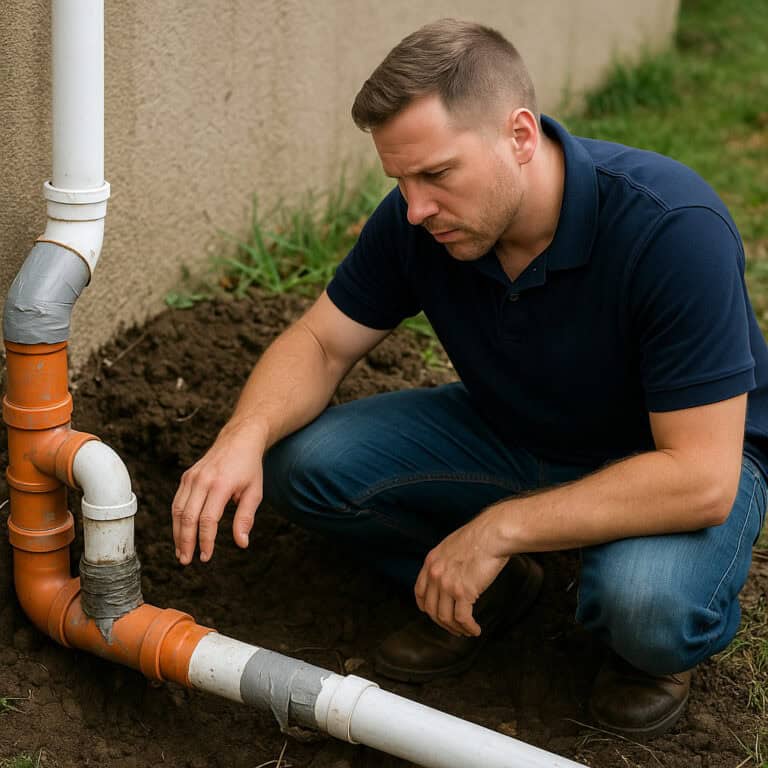
8. Tampering With the Distribution Box or Pipes Before a Sale
Some sellers try to “clean up” the distribution box or temporarily unblock field pipes. Instead of tampering, proper system maintenance and regular inspections are the correct ways to address issues and ensure the septic system functions properly.
Big mistake
Inspectors can see it was tampered with recently.
Artificial fixes fail quickly.
If discovered, buyers can claim bad faith, opening the door to legal action.
9. Misrepresenting or Hiding Septic Problems on the Seller’s Declaration
The risk
If the buyer later finds out the system was bad, you can be sued for latent defects.
Courts in Québec take septic misrepresentation very seriously.
You can be forced to pay:
- Cost of replacement
- Legal fees
- Damages
What You Should Do Instead
If your septic system is failing, here are the legitimate options:
Septic system maintenance, system maintenance, proper care, regular inspections, and regular pumping are essential steps for keeping your system functioning properly. Septic tanks require regular attention, especially if your household uses a garbage disposal, as this can increase the frequency of maintenance needed.
1. Get a certified septic inspection
A professional can tell you if the system really needs replacement or if only one component is failing.
2. Apply for municipal permits early
Many municipalities take 2–8 weeks to approve replacement systems.
3. Explore financing options
Banks, Desjardins, and municipal programs sometimes offer loans or payment plans for sanitary upgrades.
4. Replace the system before listing
A new septic system often increases the value of rural homes and reduces buyer objections.
5. Sell “as-is,” priced accordingly
If you can’t replace it, be honest, disclose everything, and price the property realistically.
Final Word
Trying to hide a failing septic system is illegal, and it always comes back to bite the homeowner — either through fines, lawsuits, or a collapsed real-estate transaction.
Being transparent and fixing the issue properly is always the safer, cheaper choice in the long run.